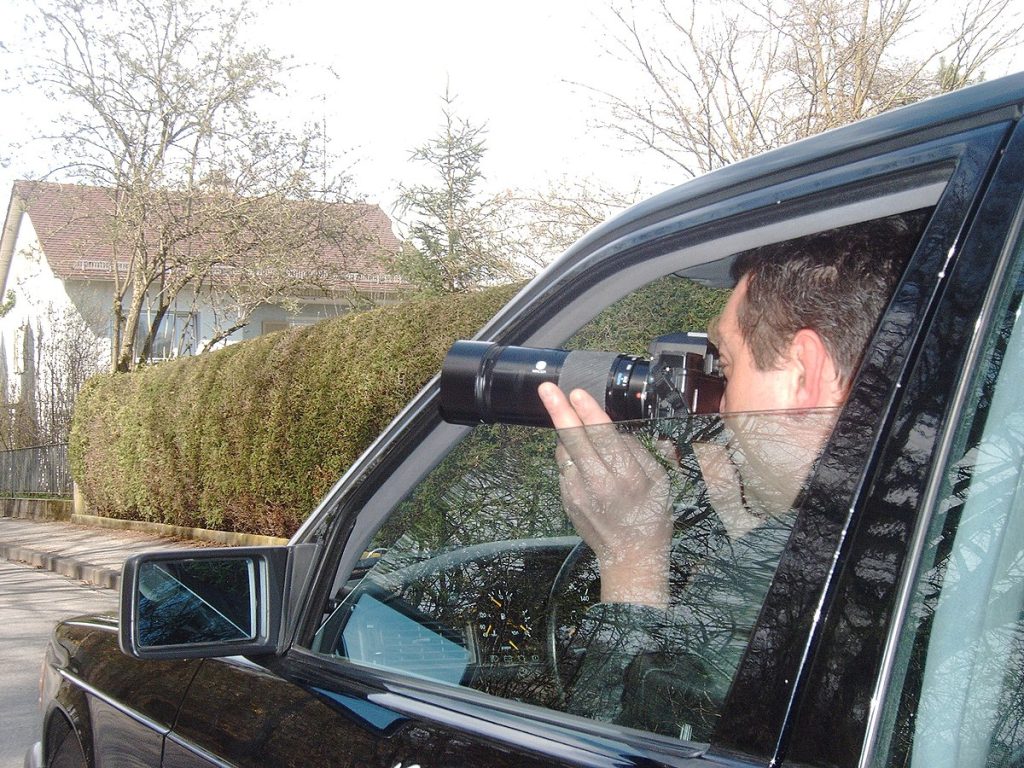
What Is Technical Surveillance?
Technical surveillance refers to the covert use of electronic, digital, or wireless devices to secretly monitor conversations, movements, data, or activities without consent. Unlike traditional physical surveillance, technical surveillance relies on hidden technology such as listening devices, covert cameras, GPS trackers, and network interception tools to gather sensitive information discreetly.
Today’s technical surveillance methods are increasingly advanced, smaller, and harder to detect, making them a serious threat to personal privacy and organisational security. Devices can be concealed within everyday objects, building infrastructure, vehicles, or communication systems, often operating remotely and without obvious signs of intrusion.
Technical surveillance is commonly used in cases of corporate espionage, legal disputes, intellectual property theft, and personal privacy violations. Without professional detection, these threats can remain active for long periods, exposing confidential conversations, business strategies, and private data. This is why understanding technical surveillance—and how to counter it—is essential for anyone handling sensitive or high-value information.

Common Types of Technical Surveillance Threats
Technical surveillance can take many forms, each designed to gather sensitive information without detection. Understanding the types of threats helps businesses and individuals identify potential vulnerabilities.
- Hidden Audio Listening Devices (Bugs): Tiny microphones or transmitters planted in offices, meeting rooms, or vehicles to capture conversations.
- Covert Video Surveillance Cameras: Small or disguised cameras that can monitor activity in private spaces, often integrated into everyday objects like clocks, smoke detectors, or picture frames.
- GPS Tracking and Location Monitoring: Devices or software used to track the real-time location of vehicles, assets, or individuals.
- Wireless Interception and Data Leakage: Signals from Wi-Fi networks, mobile devices, or Bluetooth connections can be intercepted to access sensitive data.
- Mobile Phone, VoIP, and Network Surveillance: Malicious apps or spyware can monitor calls, messages, emails, and other communications without the user’s knowledge.
By recognising these common forms of technical surveillance, organisations and individuals can take proactive steps to detect, prevent, and mitigate these covert threats.
Why Technical Surveillance Is a Serious Security Risk
Technical surveillance poses significant threats to both individuals and organisations, often with consequences that go far beyond privacy violations.
- Privacy Invasion: Unauthorized monitoring can expose confidential conversations, personal information, and sensitive activities, leading to a loss of trust and personal security.
- Corporate Espionage: Businesses risk having proprietary data, trade secrets, or strategic plans intercepted, which can result in competitive disadvantages or financial losses.
- Legal and Compliance Exposure: Failure to detect technical surveillance may lead to inadvertent breaches of data protection laws or contractual confidentiality obligations.
- Reputational Damage: The discovery of surveillance can undermine credibility and trust, whether in business negotiations, client relationships, or public perception.
- Operational Disruption: Covert monitoring can allow malicious actors to influence or manipulate workflows, decision-making, and security protocols.
Given the sophistication and subtlety of modern technical surveillance tools, relying solely on basic detection methods leaves individuals and organisations vulnerable. Professional detection and TSCM countermeasures are essential to mitigate these risks effectively.
How Technical Surveillance Is Conducted
Technical surveillance involves using covert devices and advanced monitoring techniques to secretly collect information. Understanding how these operations are typically carried out can help organisations and individuals identify vulnerabilities and take preventive measures.
- Electronic Eavesdropping: Hidden microphones or wireless transmitters are placed in strategic locations to capture private conversations in offices, vehicles, or homes.
- Covert Cameras: Small, disguised cameras can monitor activity without drawing attention. They are often integrated into everyday objects like clocks, smoke detectors, or light fixtures.
- GPS and Location Tracking: Tracking devices or software can monitor the real-time movement of vehicles, assets, or personnel, often without the target’s awareness.
- Network and Digital Monitoring: Malware, spyware, or compromised networks can intercept emails, messages, VoIP calls, and other digital communications.
- Wireless Signal Interception: Unsecured Wi-Fi, Bluetooth, or RF communications can be intercepted to extract sensitive information remotely.
The sophistication of modern technical surveillance means that simple detection tools are often insufficient. Only trained professionals with TSCM expertise can reliably detect and neutralize these covert threats, ensuring privacy and security for clients.
What Are Technical Surveillance Countermeasures (TSCM)?
Technical Surveillance Countermeasures (TSCM) are specialised procedures and tools used to detect, locate, and neutralise hidden surveillance devices. TSCM is essential for protecting sensitive information and ensuring privacy in both personal and professional settings.
Definition and Purpose: TSCM involves a comprehensive assessment of a location to uncover bugs, hidden cameras, GPS trackers, and electronic monitoring systems. The goal is to prevent unauthorized surveillance and mitigate potential threats.
Difference Between Casual Sweeps and Professional TSCM: While basic sweep tools may detect some devices, professional TSCM uses advanced electronic, digital, and physical inspection methods performed by trained specialists.
When TSCM Becomes Essential:
- Corporate offices handling proprietary information or trade secrets
- Legal firms managing confidential cases
- High-profile individuals concerned about personal privacy
- Government or sensitive facilities with classified information
Benefits of TSCM:
- Identifies hidden surveillance devices
- Protects sensitive communications and assets
- Reduces the risk of data breaches and corporate espionage
- Provides peace of mind through professional assessment
By implementing TSCM, organisations and individuals can proactively secure their environments against covert monitoring and safeguard confidential information.
The Technical Surveillance Detection Process
A professional technical surveillance detection process follows a structured and methodical approach to ensure no hidden threats are overlooked. At PRI Eyes, TSCM sweeps are conducted with precision, discretion, and advanced technology to deliver reliable results.
Risk Assessment & Threat Profiling:
The process begins with understanding the client’s concerns, environment, and risk level. This includes identifying sensitive areas, recent incidents, or situations where technical surveillance may be likely.
Physical Inspection & Visual Analysis:
Specialists conduct a detailed physical inspection of rooms, furnishings, vehicles, wiring, and fixtures where surveillance devices are commonly concealed. This step helps identify anomalies that may indicate covert monitoring.
Electronic Signal Detection & RF Analysis:
Advanced equipment is used to detect radio frequencies, wireless transmissions, and unusual electronic signals that may indicate active surveillance devices.
Network & Communication Line Checks:
Wi-Fi networks, phone lines, VoIP systems, and data connections are examined for vulnerabilities, interception risks, or malicious software.
Reporting & Mitigation Recommendations:
Following the sweep, clients receive a clear and confidential report outlining findings, identified risks, and actionable recommendations to prevent future technical surveillance.
This comprehensive process ensures thorough detection, accurate analysis, and long-term protection against technical surveillance threats.
Who Needs Technical Surveillance Detection Services?
Technical surveillance detection services are essential for anyone handling sensitive information or operating in environments where privacy and security are critical. As surveillance methods become more sophisticated, a wide range of individuals and organisations face increased risk.
Corporate Offices & Executive Spaces:
Businesses managing proprietary data, financial information, or strategic plans are prime targets for technical surveillance and corporate espionage.
Law Firms & Legal Professionals:
Confidential client communications, case strategies, and privileged discussions must remain protected from unauthorized monitoring.
High-Net-Worth Individuals:
Public figures, executives, and private individuals may be targeted for personal, financial, or reputational gain.
Government Contractors & Sensitive Facilities:
Organisations working with regulated or classified information require strict counter-surveillance measures to maintain compliance and security.
Individuals Experiencing Suspicious Activity:
Unexplained information leaks, electronic interference, or unusual device behaviour may indicate active technical surveillance.
By investing in professional technical surveillance detection services, clients can proactively safeguard confidential information and reduce exposure to covert monitoring threats.
How PRI Eyes Detects and Prevents Technical Surveillance
PRI Eyes delivers professional, discreet, and highly effective solutions to detect and prevent technical surveillance using proven TSCM methodologies and advanced technology. Every engagement is tailored to the client’s environment, risk profile, and security objectives.
Licensed & Experienced TSCM Specialists:
PRI Eyes’ team consists of trained, licensed investigators with specialised expertise in technical surveillance detection, ensuring all procedures are lawful, accurate, and reliable.
Advanced Detection Equipment:
State-of-the-art tools are used to identify hidden audio bugs, covert cameras, GPS trackers, wireless transmitters, and compromised communication systems—devices that standard consumer tools often miss.
Discreet & Confidential Operations:
All sweeps are conducted with strict confidentiality and minimal disruption, protecting client privacy and maintaining operational continuity.
Customised Counter-Surveillance Strategies:
Beyond detection, PRI Eyes provides practical recommendations to eliminate vulnerabilities and reduce the risk of future technical surveillance.
Clear Reporting & Ongoing Support:
Clients receive detailed reports outlining findings, risks, and next steps, along with continued guidance to strengthen long-term security.
By partnering with PRI Eyes, clients gain a trusted expert committed to protecting privacy, sensitive communications, and critical assets from technical surveillance threats.
Signs You May Be Under Technical Surveillance
Technical surveillance is designed to remain hidden, but there are often subtle indicators that unauthorised monitoring may be taking place. Recognising these warning signs early can help prevent serious privacy and security breaches.
Unexplained Electronic Interference:
Strange noises on phone calls, signal disruptions, or interference with electronic devices may indicate the presence of surveillance equipment.
Rapid Battery Drain or Device Overheating:
Mobile phones, laptops, or vehicles experiencing unusual battery usage or overheating could be affected by spyware, tracking devices, or hidden transmitters.
Suspicious or Unfamiliar Devices:
New wiring, plugs, or electronic items appearing without explanation in offices, homes, or vehicles can be signs of covert surveillance.
Unexpected Network Activity:
Unusual spikes in data usage, unknown devices connected to Wi-Fi networks, or unexplained system slowdowns may point to digital monitoring.
Information Leaks Without Clear Cause:
If confidential discussions, plans, or personal details are known by others without legitimate access, technical surveillance may be involved.
Because many surveillance devices are expertly concealed, these signs alone are not definitive. A professional technical surveillance detection sweep is the most reliable way to confirm and eliminate hidden threats.
Frequently Asked Questions About Technical Surveillance
What is technical surveillance detection?
Technical surveillance detection is the process of identifying hidden electronic devices such as listening bugs, covert cameras, GPS trackers, and wireless monitoring tools that are used to spy on conversations, movements, or data.
How often should technical surveillance sweeps be conducted?
The frequency depends on your risk level. High-risk environments such as executive offices, law firms, or sensitive facilities should consider regular sweeps, while others may need inspections after key events, disputes, or security concerns.
Can technical surveillance be detected on mobile phones?
Yes. Professional TSCM specialists can assess mobile devices for spyware, malicious apps, network vulnerabilities, and signs of unauthorised monitoring that standard antivirus tools may miss.
Is technical surveillance illegal?
In many cases, unauthorised technical surveillance is illegal and may violate privacy, wiretapping, or data protection laws. Detection helps identify risks and supports legal compliance.
How long does a technical surveillance detection sweep take?
The duration depends on the size and complexity of the location. A thorough sweep may take several hours to a full day to ensure all potential threats are properly assessed.
Conclusion: Protecting Your Privacy from Technical Surveillance
Technical surveillance is an evolving threat that can compromise privacy, security, and sensitive information without warning. Hidden devices, electronic monitoring, and digital interception methods are increasingly sophisticated, making them difficult to detect without professional expertise.
Understanding how technical surveillance works—and the risks it presents—is the first step toward protecting confidential conversations, business operations, and personal safety. By investing in professional technical surveillance detection and TSCM countermeasures, individuals and organisations can proactively identify threats, eliminate vulnerabilities, and regain control over their environments.
Partnering with an experienced provider like PRI Eyes ensures that detection is thorough, discreet, and legally compliant, delivering peace of mind and long-term protection against covert monitoring.
Get Expert Technical Surveillance Detection with PRI Eyes
If you suspect technical surveillance or want to proactively safeguard your privacy, PRI Eyes is here to help. Our professional TSCM services are designed to detect hidden surveillance devices, secure sensitive communications, and protect what matters most.
Contact PRI Eyes today to schedule a confidential consultation and take the first step toward eliminating technical surveillance threats. Our experienced specialists are ready to assess your risk and deliver trusted, effective counter-surveillance solutions.